By Alexandra Whitmore | Tatler UK
In the rarefied world of luxury fashion, where the smallest details can define an entire look, few accessories possess the transformative power of a beautifully crafted hat. It can introduce drama to a silhouette, lend structure to an otherwise understated ensemble, or become the defining element of a memorable appearance. At the heart of this specialist craft stands Maison Michel, the celebrated Parisian millinery house whose creations unite traditional craftsmanship with the contemporary vision of haute couture.
Known for its sculptural shapes, impeccable finishing, and distinctive approach to headwear, Maison Michel occupies a singular position within the luxury fashion landscape. As part of the Chanel group, the house benefits from an association with one of the world’s most influential fashion institutions while maintaining its own creative identity. Its work reflects a commitment to the artistry of millinery, where every curve, proportion, and material choice contributes to the character of the finished piece.
In an industry increasingly driven by speed and constant reinvention, Maison Michel offers a compelling reminder that true luxury often begins with patience, precision, and an intimate understanding of form.
A Parisian Heritage Rooted in Craftsmanship
Maison Michel’s story began in Paris in 1936, when Auguste Michel established a workshop dedicated to the art of hatmaking. At a time when hats were an essential component of everyday dressing, milliners occupied an important position within the fashion industry. Their work required not only technical expertise but also an understanding of proportion, elegance, and the relationship between an accessory and the person wearing it.
Over the decades, the role of the hat evolved. Changing social conventions and the rise of more relaxed dressing transformed the accessory from a daily necessity into a more deliberate expression of personal style. Rather than disappearing, millinery adapted, finding new relevance in couture collections, editorial photography, and the wardrobes of those who appreciate distinctive design.
Maison Michel became part of this evolution, developing a reputation for balancing the discipline of traditional hatmaking with a willingness to experiment. Its creations demonstrate how established techniques can remain relevant when approached with imagination and an understanding of contemporary fashion.
The house eventually became part of Chanel’s wider portfolio of specialist fashion ateliers, a network that includes artisans whose expertise supports the preservation of exceptional craftsmanship. This connection places Maison Michel within a broader philosophy of luxury in which the skills behind a garment or accessory are considered as important as the finished design.
The Chanel Connection
The relationship between Maison Michel and Chanel represents more than a corporate association. It reflects a shared appreciation for the techniques, materials, and specialist knowledge that distinguish luxury fashion from mass production.
Chanel acquired a stake in the millinery house in 1997, helping secure its future within the luxury fashion industry. The acquisition formed part of a wider commitment to preserving the specialist workshops and métiers d’art that contribute to the creation of high-end fashion.
Within this environment, traditional skills are not simply maintained for historical reasons. They are given opportunities to evolve through collaborations with designers, the development of new collections, and the demands of contemporary runway presentations.
Maison Michel’s identity remains distinct, yet its position within the Chanel ecosystem underscores the importance of protecting the artisans whose work frequently takes place behind the scenes.
In fashion, a hat may appear effortless when worn, but its construction can involve extensive experimentation. The angle of a brim, the height of a crown, and the balance between softness and structure must all be considered carefully. Even subtle adjustments can transform the relationship between the accessory and the wearer’s face.
Such precision is central to the appeal of Maison Michel. The finished piece may communicate ease, but that ease is often the result of considerable technical discipline.
The Art of Millinery
Creating a luxury hat requires a different sensibility from designing many other fashion accessories. Milliners work in three dimensions, shaping materials around the human head while considering movement, comfort, durability, and visual impact.
Traditional materials such as felt, straw, and fine fabrics can be transformed through specialised techniques involving moulding, blocking, stitching, and finishing. Depending on the design, the process may require repeated adjustments before the desired shape emerges.
Maison Michel’s appeal lies partly in its understanding of these fundamentals. Its designs range from understated everyday silhouettes to more expressive pieces that command attention through proportion and structure.
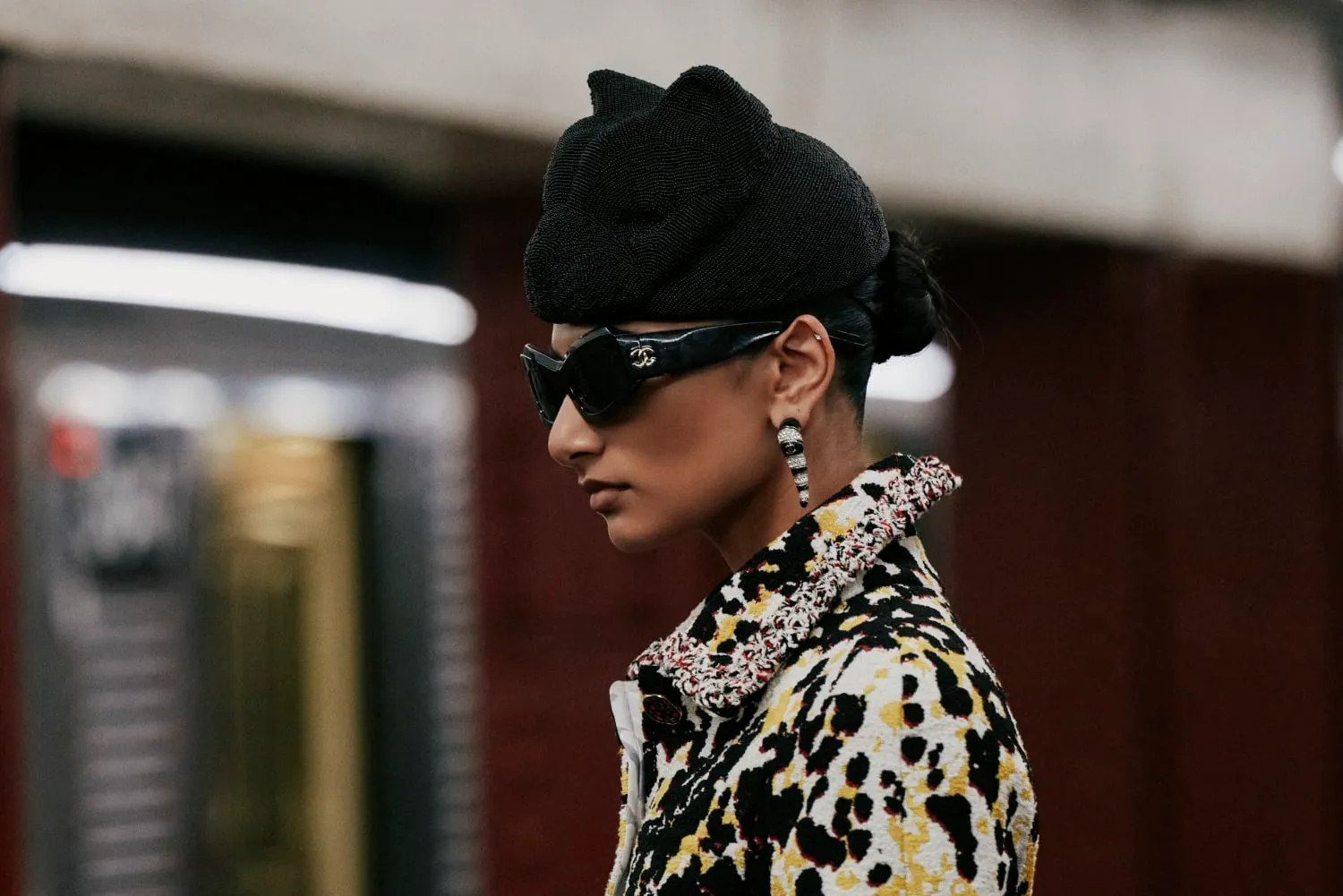
A wide brim can introduce architectural drama. A close-fitting cap can create a sleek, modern profile. A sculptural hat can function almost like a piece of wearable art, altering the balance of an entire outfit.
The challenge is to ensure that a design remains visually compelling without losing its sense of refinement. This balance between experimentation and restraint is one of the qualities that makes luxury millinery enduringly relevant.
The work also demands a close relationship between the designer’s original concept and the artisan’s technical knowledge. An idea that appears simple on paper may require considerable development to achieve the correct proportions, weight, and finish. The expertise of the maker becomes essential in translating creative ambition into a wearable object.
From the Runway to the Wardrobe
Maison Michel’s place within contemporary fashion extends beyond the traditional boundaries of hatmaking. Its creations have become part of a wider conversation about how accessories can shape the identity of a collection.
On the runway, headwear often serves as a visual punctuation mark. It can reinforce a designer’s theme, introduce an unexpected silhouette, or create continuity across a series of looks. In editorial photography, a hat may become the central element of an image, bringing focus to the face while adding depth and character to the styling.
This versatility is particularly significant in an era when fashion increasingly moves between different forms of expression. A piece may be presented on a runway, interpreted through a magazine editorial, and eventually incorporated into an individual’s personal wardrobe.
Maison Michel’s designs occupy this space between fashion statement and lasting accessory. Their appeal is not limited to a particular season or trend, but instead rests on the quality of construction and the strength of the silhouette.
The modern luxury consumer is also becoming more interested in the stories behind the objects they purchase. Provenance, specialist expertise, and the knowledge that a piece has been created through skilled workmanship can contribute significantly to its desirability.
For millinery, this emphasis on craftsmanship is especially meaningful. A well-made hat can remain part of a wardrobe for years, adapting to changing styles through the way it is worn and combined with other pieces.
Elegance, Individuality, and Royal Influence
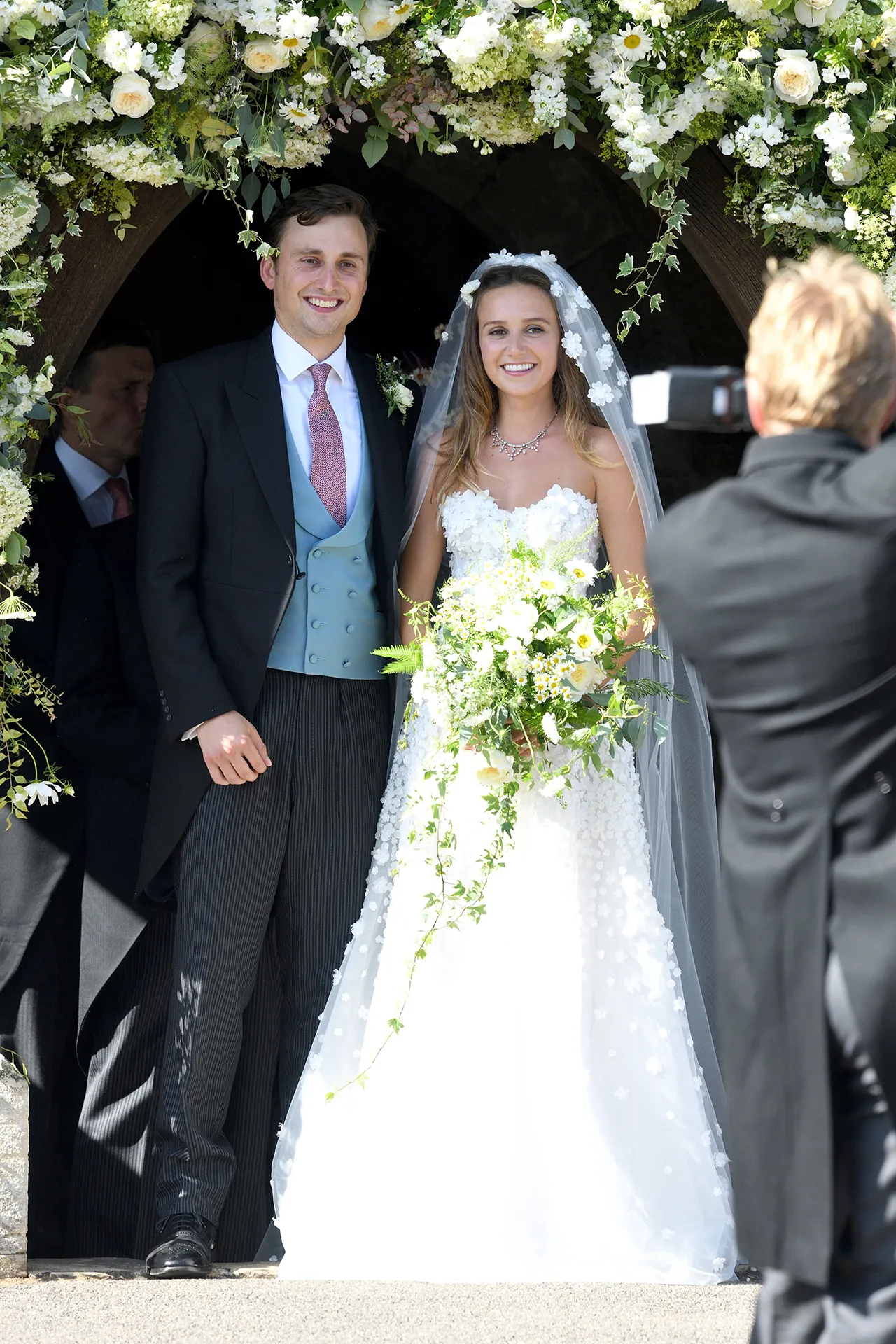
Few accessories are as closely associated with formal occasions as the hat. Within British society, headwear continues to play a distinctive role at weddings, ceremonial gatherings, race meetings, and other important events.
Royal appearances have helped maintain public interest in millinery, demonstrating how a carefully chosen accessory can communicate occasion, personality, and a sense of tradition. From sculptural fascinators to broad-brimmed designs, headwear remains an important element of formal dressing.
Maison Michel’s association with the luxury fashion world places it within this broader culture of elevated accessories. However, the appeal of its work extends beyond royal or aristocratic settings. Contemporary fashion enthusiasts increasingly view hats as opportunities for personal expression, whether through minimalist designs, dramatic proportions, or unexpected combinations of texture and colour.
It is important to distinguish the house’s position in luxury fashion from claims about specific royal commissions. Not every celebrated hat worn by a royal figure originates from Maison Michel, and individual commissions should be identified only where documented. Nevertheless, the broader relationship between specialist millinery and ceremonial dressing illustrates why the craft continues to hold cultural significance.
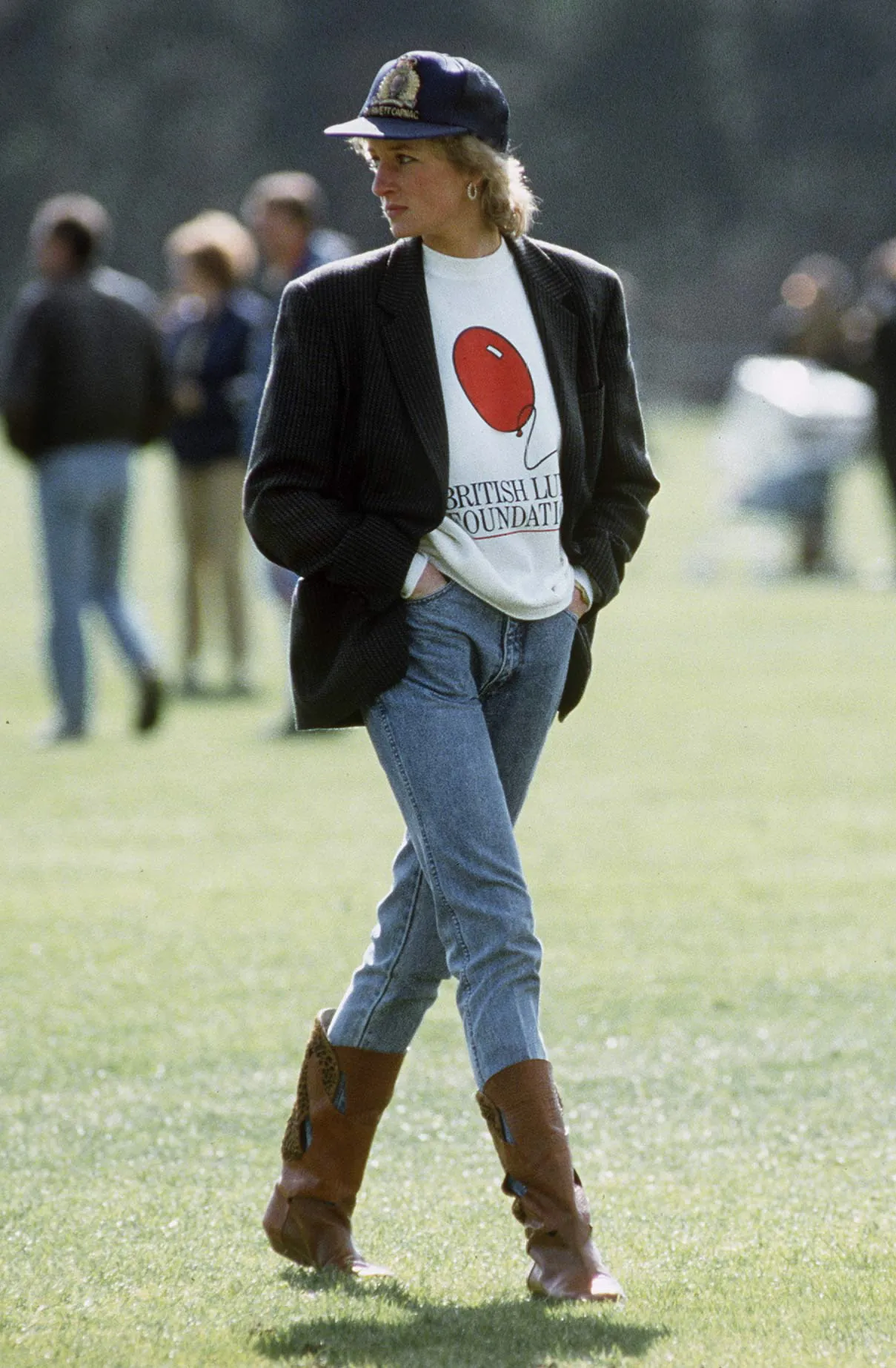
A hat can convey confidence without requiring an elaborate outfit. It can bring character to a tailored suit, introduce contrast to a flowing dress, or transform a simple silhouette into something memorable.
This ability to create impact through a single, carefully considered object remains central to the enduring fascination with luxury headwear.
Preserving a Craft for the Future
The future of traditional millinery depends on the continued exchange between heritage and innovation. While digital tools, changing consumer expectations, and new materials are influencing the fashion industry, the fundamental principles of skilled handcraft remain difficult to replace.
Luxury houses face the challenge of maintaining specialist knowledge while ensuring that their products appeal to new generations. This requires investment in artisans, the development of new creative perspectives, and a willingness to reinterpret established techniques without losing the qualities that made them valuable in the first place.
Maison Michel represents an example of how a specialist craft can remain relevant within a global luxury group. Its history provides a foundation, while its continued presence in contemporary fashion allows the art of hatmaking to reach audiences beyond its traditional clientele.
The significance of such workshops extends beyond the accessories themselves. They preserve knowledge accumulated over generations, sustain specialised professions, and demonstrate the value of working with materials through an intimate understanding of their properties.
In a marketplace crowded with products designed for immediate consumption, this commitment to workmanship offers a different measure of luxury: one based on the time, skill, and thought invested in creating something distinctive.
The Lasting Magic of Maison Michel
Maison Michel’s enduring appeal lies in its ability to make a highly specialised craft feel contemporary. Its creations occupy the intersection of fashion, design, and traditional workmanship, demonstrating that even a relatively small accessory can have a profound influence on personal style.
The house’s Parisian origins, its connection to Chanel, and its place within the world of modern millinery all contribute to its distinctive identity. Yet the real fascination lies in the work itself: the careful shaping of materials, the refinement of proportions, and the transformation of a practical object into an expression of individuality.
A beautifully made hat does more than complete an outfit. It introduces a point of view, creates a sense of occasion, and allows the wearer to communicate something about themselves without saying a word.
For Maison Michel, that is where the magic resides. Behind every finished piece is a tradition of skilled hands and considered design, continually reimagined for a fashion world that never stands still. In preserving the art of millinery while embracing contemporary expression, the Parisian house demonstrates why true craftsmanship remains one of luxury’s most enduring forms of distinction.