
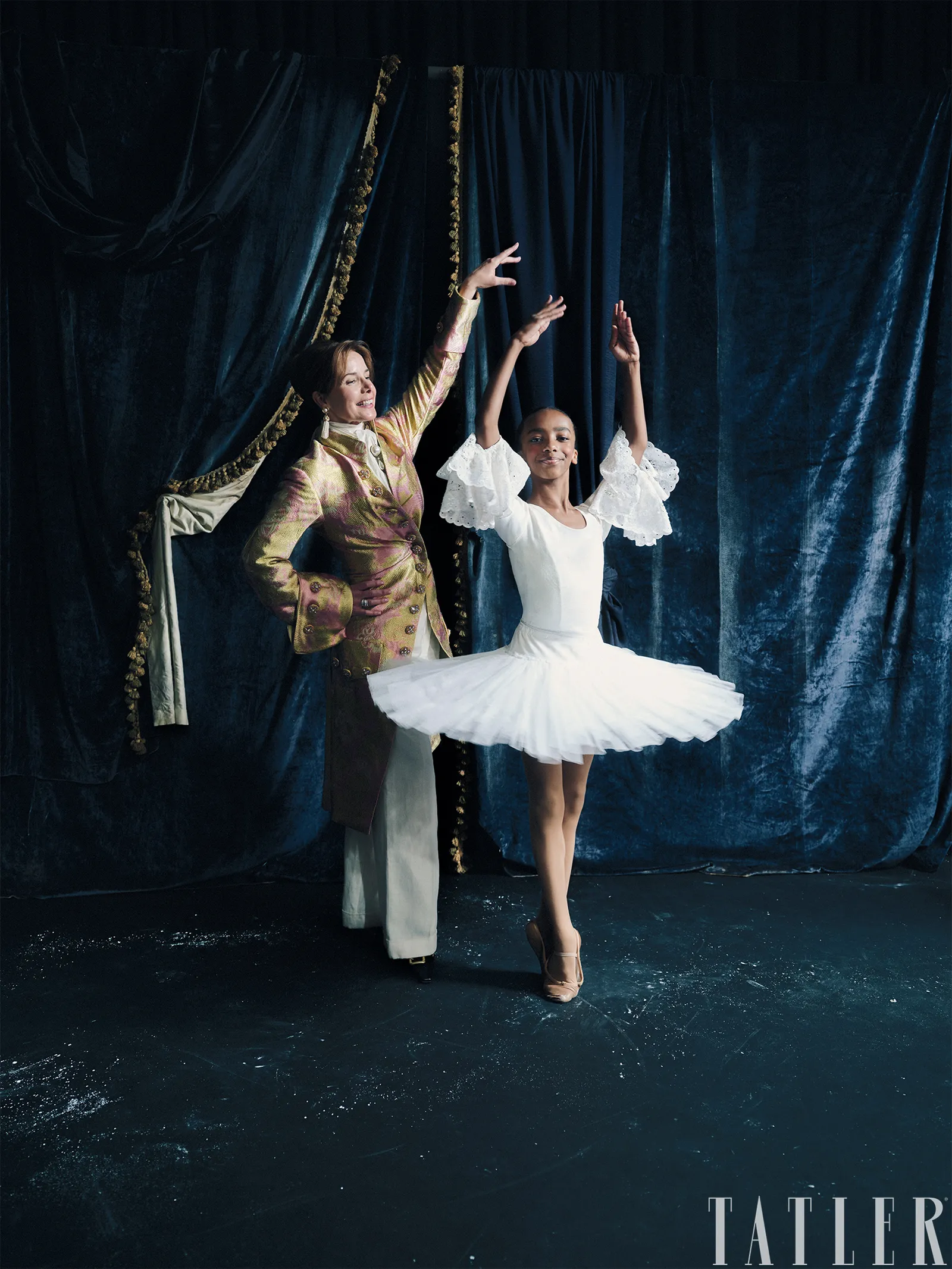
Celebrating the schools, educators and communities shaping the next generation
By Alexandra Whitmore | Tatler UK
Choosing the right school is one of the most significant decisions a family can make. Beyond academic results and impressive facilities, the best preparatory schools offer something far more enduring: an environment in which children develop confidence, curiosity, independence and a genuine enthusiasm for learning. These qualities sit at the heart of the Tatler Schools Awards, an annual celebration of the institutions and individuals helping to shape the future of British education.
The announcement of the latest winners brings renewed attention to the independent schools that continue to distinguish themselves through exceptional teaching, thoughtful pastoral care, ambitious educational programmes and a commitment to developing well-rounded pupils. From the traditional values of established preparatory schools to the innovative approaches of contemporary educators, the awards highlight the breadth and diversity of Britain’s educational landscape.
Yet identifying the best prep school in Britain is not simply a matter of comparing examination results or counting scholarships. The experience of a child is shaped by a combination of academic opportunity, emotional support, extracurricular activities, school culture and the quality of relationships between pupils and teachers.
It is this broader understanding of education that makes the Tatler Schools Awards an important moment in the annual independent-school calendar.
Beyond the Classroom: What Makes an Exceptional Prep School?
Preparatory schools occupy a distinctive position within the British education system. Typically educating children from early childhood through to the age of 11 or 13, depending on the institution, they provide the foundations upon which later academic and personal development is built.
At their best, these schools encourage children to explore their interests while developing the skills necessary to approach new challenges with confidence. Academic ambition remains important, but it is balanced by opportunities in music, sport, drama, art, technology and community engagement.
The most successful schools understand that children do not develop in identical ways. Some discover their strengths in mathematics and science, while others flourish through creative expression, competitive sport or collaborative projects. A strong preparatory education recognises these differences and provides opportunities for individual talents to emerge.
Pastoral care is equally important. A supportive school environment enables pupils to develop resilience, establish friendships and learn how to navigate the social challenges that accompany growing up. When children feel understood and encouraged, they are better placed to take intellectual risks and approach unfamiliar experiences with confidence.
These principles underpin the qualities celebrated by the Tatler Schools Awards, where educational excellence extends beyond the classroom and into the wider life of a school.
The Tatler Schools Awards: Recognising Excellence
The Tatler Schools Awards form part of the publication’s wider commitment to examining Britain’s independent education sector. Connected to the Tatler Schools Guide, the awards recognise institutions and individuals whose work contributes to an exceptional educational experience.
The selection process associated with the guide involves extensive research, school visits, questionnaires and expert assessment. This approach reflects the understanding that judging a school requires more than examining headline academic results.
Leadership, teaching quality, facilities, pupil wellbeing and the overall atmosphere of a school all contribute to its character. A school might distinguish itself through outstanding academic preparation, while another may be recognised for its exceptional pastoral support, inspiring headteacher or commitment to environmental responsibility.
The awards also acknowledge the educators whose contributions can have a profound influence on school life. Behind every successful institution are teachers, support staff and leaders whose daily work helps pupils discover their potential.
Recognising these contributions reinforces an important message: educational excellence is rarely the achievement of one individual. It emerges from the collective efforts of an entire school community.
Leadership That Makes a Difference
A school’s headteacher plays a central role in establishing its ethos and direction. Effective leadership requires more than maintaining academic standards or managing the practical demands of running an institution. It involves creating a shared sense of purpose, supporting teachers and ensuring that pupils receive an education that prepares them for the opportunities and challenges ahead.
The strongest school leaders combine ambition with an understanding of individual needs. They encourage high standards while recognising that achievement can take many forms, from academic progress and artistic accomplishment to personal growth and acts of kindness.
They also understand the importance of building relationships with parents and the wider community. Education is most effective when schools and families work together, sharing expectations and supporting children’s development across different aspects of their lives.
Awards recognising exceptional heads and educators therefore celebrate something larger than professional achievement. They acknowledge the people who establish the conditions in which children can flourish.
Tradition Meets Innovation
British preparatory schools are often associated with tradition, from historic buildings and established school customs to uniforms, house systems and long-standing sporting competitions. These traditions can provide a sense of continuity and belonging, helping pupils understand their place within a wider community.
However, tradition alone is not enough to prepare children for a rapidly changing world.
Contemporary schools are increasingly incorporating digital literacy, scientific exploration, financial education, environmental awareness and creative problem-solving into their programmes. Such initiatives encourage pupils to think independently, evaluate information and develop the confidence to explore unfamiliar ideas.
The challenge lies in combining these new approaches with the qualities that have long defined successful education: intellectual curiosity, discipline, communication, creativity and respect for others.
A strong preparatory school does not have to choose between heritage and innovation. Instead, it can use its traditions as a foundation for preparing pupils to engage thoughtfully with the future.
This balance is particularly important as children encounter new technologies, changing career opportunities and an increasingly interconnected world. The ability to adapt, collaborate and continue learning may prove just as valuable as the knowledge acquired during their school years.
The Importance of Wellbeing
Academic achievement remains a central consideration for many families, but there is growing recognition that educational success cannot be separated from wellbeing.
Children benefit from environments in which they feel safe, supported and encouraged to ask questions. Positive relationships with teachers can help pupils develop confidence, while thoughtful pastoral systems provide support when academic or social challenges arise.
Extracurricular activities also contribute to this broader understanding of education. Participation in sport, music, theatre and community projects gives pupils opportunities to develop teamwork, perseverance, leadership and a sense of responsibility.
These experiences can be particularly valuable for children who may not immediately recognise their strengths in traditional academic settings. Discovering an interest or developing a new skill can transform a pupil’s relationship with learning.
The best schools understand that achievement and happiness should not be treated as competing priorities. A nurturing environment can encourage ambition while giving children the confidence to make mistakes, learn from experience and develop at their own pace.
Preparing Children for the Next Chapter
For many families, preparatory education is also about preparing children for the transition to senior school. This process involves more than examinations and admissions decisions.
Pupils must develop independence, organisational skills and the ability to manage increasingly complex academic expectations. They also need the confidence to enter new social environments, establish friendships and adapt to different teaching styles.
A successful preparatory school helps children develop these qualities gradually, allowing them to take on greater responsibility as they progress through the years.
Guidance on senior-school choices is another important element. Strong communication between teachers and families can help identify institutions that suit a child’s individual strengths, interests and ambitions rather than focusing exclusively on reputation or prestige.
Ultimately, the purpose of preparation is not simply to secure a place at a highly regarded senior school. It is to ensure that children arrive ready to take advantage of the opportunities available to them.
Celebrating the People Behind the Achievement
The Tatler Schools Awards provide an opportunity to recognise the collective effort required to sustain an exceptional educational environment. Teachers who inspire curiosity, pastoral teams who support pupils through difficult moments, school leaders who encourage innovation and families who contribute to the wider community all play a role in shaping the experience of a school.
Such recognition also encourages a broader conversation about what educational excellence should look like in contemporary Britain.
While reputation, facilities and academic performance remain important, the most meaningful measures of success often emerge over time. They can be seen in a pupil’s growing confidence, a newly discovered talent, the development of a lifelong interest or the ability to approach a difficult problem with determination.
These outcomes may be harder to quantify than examination results, but they are fundamental to the purpose of education.
The Future of British Preparatory Education
As the latest Tatler Schools Awards bring outstanding institutions and educators into the spotlight, they also invite families to consider what matters most when choosing a school.
There is no single institution that will be the perfect choice for every child. Each pupil brings a different combination of interests, abilities, ambitions and personal needs. The best school is therefore not necessarily the most famous or the most selective, but the one that provides the right environment for an individual to flourish.
Britain’s independent preparatory schools continue to evolve in response to changing educational expectations, new technologies and a growing understanding of children’s emotional and social development. Their strongest examples demonstrate that academic ambition can coexist with creativity, tradition with innovation, and high expectations with genuine care.
The Tatler Schools Awards celebrate this diversity of achievement, recognising the institutions and individuals who make a lasting difference to young people’s lives.
Ultimately, the value of an outstanding preparatory education lies not only in where pupils go next, but in who they become along the way. The schools that deserve the greatest recognition are those that equip children with knowledge, confidence, curiosity and the capacity to approach the future with an open mind.