A new generation of style, individuality and international sophistication
By Alexandra Whitmore | Tatler UK
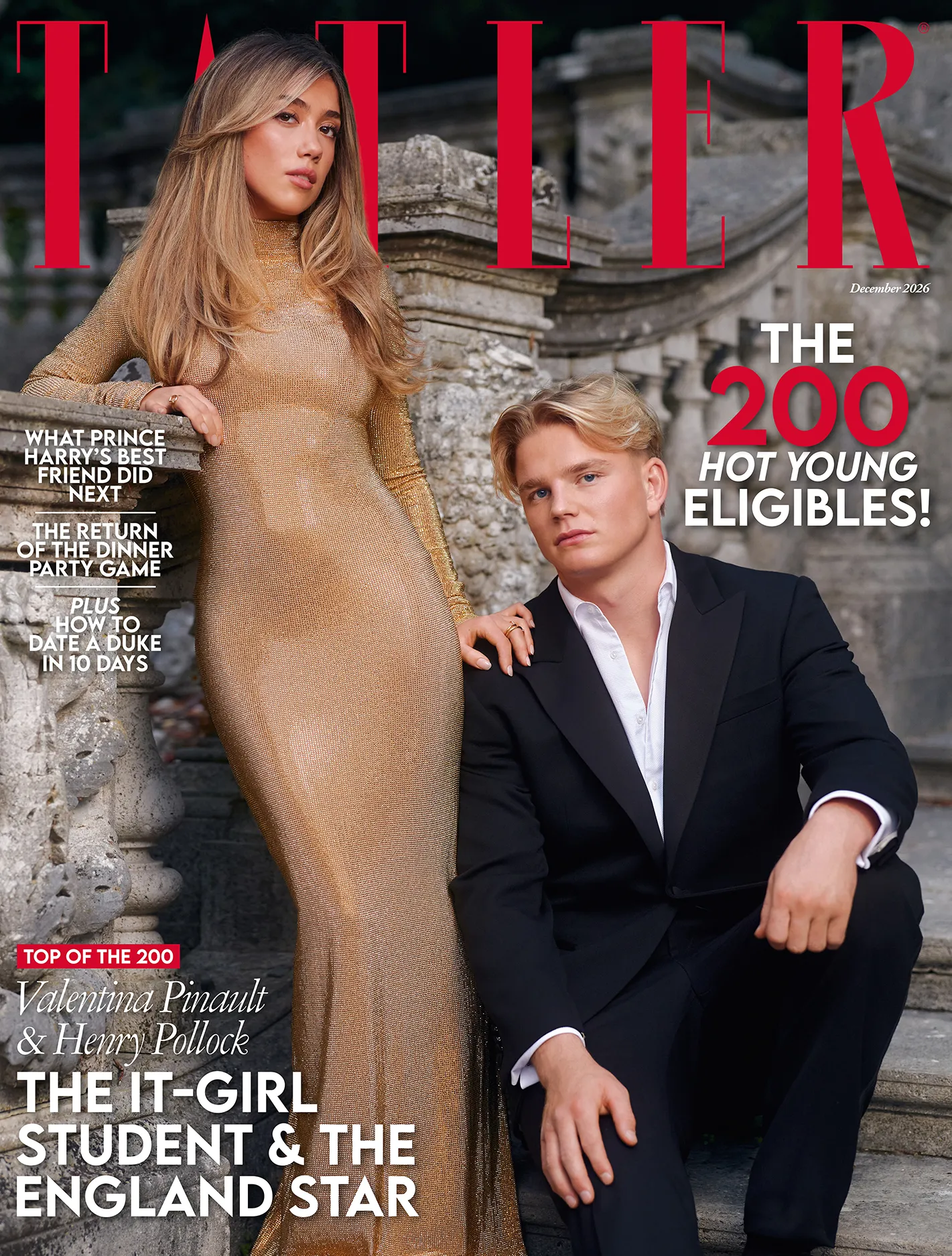
In a world where fashion, culture and individuality increasingly intersect, Valentina Pinault represents a generation that has grown up surrounded by creativity, international perspectives and an appreciation for personal style. With her connection to one of the most influential families in the luxury fashion industry, she occupies a particularly intriguing position at the intersection of heritage and modern identity. Now stepping into the spotlight on the cover of Tatler‘s Little Black Book issue, Valentina offers a glimpse into a world where fashion is more than an aesthetic pursuit: it is part of a much larger cultural conversation.
Young, internationally minded and drawn to London’s distinctive energy, she embodies a contemporary interpretation of sophistication. Her story reflects the growing fascination with a generation raised amid global fashion, artistic influence and the evolving expectations of modern society.
A Family Legacy of Fashion and Culture
Valentina Pinault was born into a family whose name is closely associated with the international luxury industry. She is the daughter of actress Salma Hayek and French businessman François-Henri Pinault, chairman of Kering, the global luxury group whose portfolio has included some of the most recognisable names in fashion.
Growing up with connections to both the entertainment industry and the world of luxury business offers a distinctive perspective on creativity, ambition and cultural influence. Yet a famous family name is only one part of a much broader story.
For younger generations associated with established fashion dynasties, individuality often becomes just as important as heritage. The challenge is to develop a personal identity while navigating the expectations that accompany public recognition.
Valentina’s appeal lies in the curiosity surrounding this balance. Rather than being defined exclusively by her family background, she represents a generation exploring its own interests, friendships, education and relationship with the wider world.
Fashion, in this context, becomes a language through which identity can be expressed rather than simply inherited.
A London State of Mind
London has long attracted internationally minded young people seeking a combination of academic opportunity, artistic energy and cultural diversity. Its universities, galleries, theatres, independent boutiques and historic neighbourhoods offer an environment in which different perspectives coexist.
For someone with an interest in fashion and culture, the city provides an especially compelling backdrop. Luxury shopping streets sit alongside emerging designers, historic institutions share space with experimental creative communities, and established traditions continually encounter new ideas.
The appeal of London is not limited to its fashionable reputation. Its distinctive character comes from the way it combines formality with spontaneity, history with innovation, and international influence with a strong sense of local identity.
For the contemporary student, this environment can offer opportunities to discover new interests, develop personal tastes and engage with a diverse range of creative perspectives.
The image of Valentina as a London-loving student captures this broader appeal: a young woman navigating an international cultural landscape in which education, style and personal development can intersect naturally.
Fashion in Her Genes
Fashion is rarely simply about clothing. It can reflect family history, cultural influences, artistic interests and an individual’s evolving sense of self.
For Valentina, whose family connections extend into both luxury fashion and cinema, the relationship between personal identity and public image is particularly interesting. Her background offers an unusual vantage point from which to observe the ways designers, creative professionals and cultural figures shape the world around them.
Yet contemporary style is increasingly defined by the ability to reinterpret influences rather than follow established formulas. Younger fashion enthusiasts frequently combine vintage references with contemporary designers, understated essentials with statement accessories, and international trends with pieces that carry personal meaning.
This approach moves beyond the idea of fashion as a fixed set of rules. Instead, style becomes an ongoing process of discovery, shaped by changing interests and individual experiences.
The most compelling fashion identities are often those that appear effortless, not because they lack consideration, but because they reflect a clear understanding of personal preferences.
For a generation raised amid constant exposure to images and trends, the ability to develop an individual point of view has become an increasingly valuable quality.
The Significance of the Little Black Book
The Little Black Book has long represented a particular corner of society publishing, bringing together emerging personalities, established names and individuals whose interests extend across fashion, culture, entertainment and contemporary life.
Its appeal lies in the sense of discovery it offers readers. Rather than focusing exclusively on established achievements, a Little Black Book-style feature can explore the people, perspectives and cultural connections that make a new generation interesting.
A cover appearance within this editorial tradition suggests an interest in personality as much as appearance. Readers are drawn not only to what someone wears, but also to the wider context surrounding their life, influences and ambitions.
For a young figure such as Valentina, the fascination extends beyond family connections. It reflects a broader interest in how the next generation approaches identity, public attention and the opportunities created by an increasingly interconnected world.
The modern society profile has also evolved. Where earlier generations of society coverage often emphasised titles, family backgrounds and formal occasions, contemporary features increasingly explore personal interests, education, creativity and the ways individuals navigate their own paths.
This shift reflects a wider cultural interest in the relationship between inherited privilege and individual expression.
Growing Up in an International World
The contemporary generation has grown up in a world where geographical boundaries are less restrictive to cultural exchange than they once were. Fashion collections travel instantly across continents, creative communities form through digital platforms, and international education exposes students to different ways of thinking.
For young people with connections to several cultural environments, this interconnectedness can provide a particularly broad perspective.
The ability to move between different social and cultural settings encourages adaptability, curiosity and an appreciation for contrasting viewpoints. It can also influence personal style, introducing new references and expanding the possibilities of self-expression.
London’s international character makes it a natural setting for these encounters. The city attracts students, artists, designers and professionals from around the world, creating an environment where cultural influences are constantly being exchanged and reinterpreted.
In this setting, fashion becomes one of many ways to participate in a larger conversation about identity and belonging.
Beyond the Family Name
Public curiosity often follows individuals whose parents have achieved considerable recognition, particularly when their family histories intersect with industries as visible as fashion, entertainment and luxury business.
However, the experience of growing up within a prominent family does not automatically determine an individual’s future. Personal interests develop over time, and the choices made during education and early adulthood can lead in directions that are not immediately predictable.
For Valentina, the most interesting question is therefore not simply how her background connects her to fashion, but how she might interpret those influences in her own life.
Whether her interests ultimately lead towards creative pursuits, business, culture or an entirely different direction, the opportunity to explore individual ambitions remains an important part of any young person’s story.
There is also a distinction between being familiar with the fashion industry and choosing to participate in it professionally. Exposure can encourage an appreciation for craftsmanship, design and the business of luxury without necessarily determining a future career.
This distinction matters because it allows a more nuanced understanding of the younger generation associated with prominent families. Their lives are shaped by access and opportunity, but also by personal decisions, education and the process of establishing an identity beyond public expectations.
A New Generation of Sophistication
The contemporary understanding of sophistication has moved beyond traditional ideas of status and formality. Today, it can encompass intellectual curiosity, cultural awareness, individuality and an ability to move comfortably between different environments.
For younger figures connected to the worlds of fashion and international society, these qualities can be as significant as an appreciation for designer clothing or luxury experiences.
The appeal of a modern society profile lies in this combination of visible glamour and personal development. It allows readers to consider not only the aesthetic world surrounding an individual, but also the broader cultural influences that shape their generation.
Valentina Pinault’s connection to fashion and her association with an internationally recognised family naturally invite attention. Yet the lasting interest lies in the possibilities that emerge when heritage meets individual perspective.
The Story Still Unfolding
As the next generation of internationally connected young people begins to establish its place in culture and society, the definition of influence continues to change.
Family legacy remains significant, but it exists alongside education, personal interests, creative exploration and the freedom to develop an independent point of view.
Valentina Pinault occupies an intriguing position within this conversation. Her background connects her to the worlds of luxury fashion and entertainment, while the image of a London-loving student evokes the experiences, discoveries and ambitions associated with early adulthood.
A Little Black Book feature offers an opportunity to explore that intersection between heritage and individuality, presenting a portrait of a generation for whom style is not merely about appearances, but about the influences, experiences and choices that shape a personal identity.
In the end, fashion may be in the genes, but individuality is something each generation must discover for itself. For Valentina, that journey remains the most compelling part of the story.