A heartfelt message, a commemorative portrait and a historic milestone for Belgium’s future queen
By Alexandra Whitmore | Tatler UK
For Princess Elisabeth of Belgium, turning 25 was an occasion marked not by elaborate public celebrations, but by a simple, personal gesture that offered a glimpse of the woman behind the royal title. On 25 October 2026, the Duchess of Brabant shared a heartfelt video message thanking the public for the birthday wishes she had received, bringing a distinctly personal touch to an important milestone in her life.
The eldest child of King Philippe and Queen Mathilde, Princess Elisabeth occupies a unique position in the Belgian monarchy. As heir to the throne, she is expected to become Belgium’s first reigning queen in her own right, making her journey towards the crown a subject of considerable interest both at home and internationally.
Yet her birthday message was striking for its simplicity. Rather than delivering a formal address from a royal residence, the princess spoke directly to her well-wishers in a selfie-style recording shared through the Belgian Royal Palace’s official Instagram account. The informal presentation offered a refreshing contrast to the carefully choreographed appearances often associated with royal life.
A Personal Message of Gratitude
In the video, Princess Elisabeth thanked those who had taken the time to send birthday wishes, acknowledging the letters, social media messages and thoughtful gestures she had received.
Speaking in French and Dutch, the two languages central to Belgium’s public life, she expressed how deeply the messages had touched her. Although she had not yet managed to read everything, she explained that the response had given her a warm feeling.
The setting was equally understated. Wearing a warm jumper and wired headphones, the princess recorded her message in the soft light of the afternoon, creating an atmosphere that felt more like a personal conversation than an official royal announcement.
It was a small moment, but one that carried significance. Royal families have increasingly embraced digital platforms to communicate with the public, allowing younger generations of royals to share moments of appreciation and celebration in a more direct manner.
For Elisabeth, the video demonstrated how a simple expression of gratitude could bridge the distance between a future monarch and the people she may one day serve.
A Birthday Portrait with Timeless Appeal
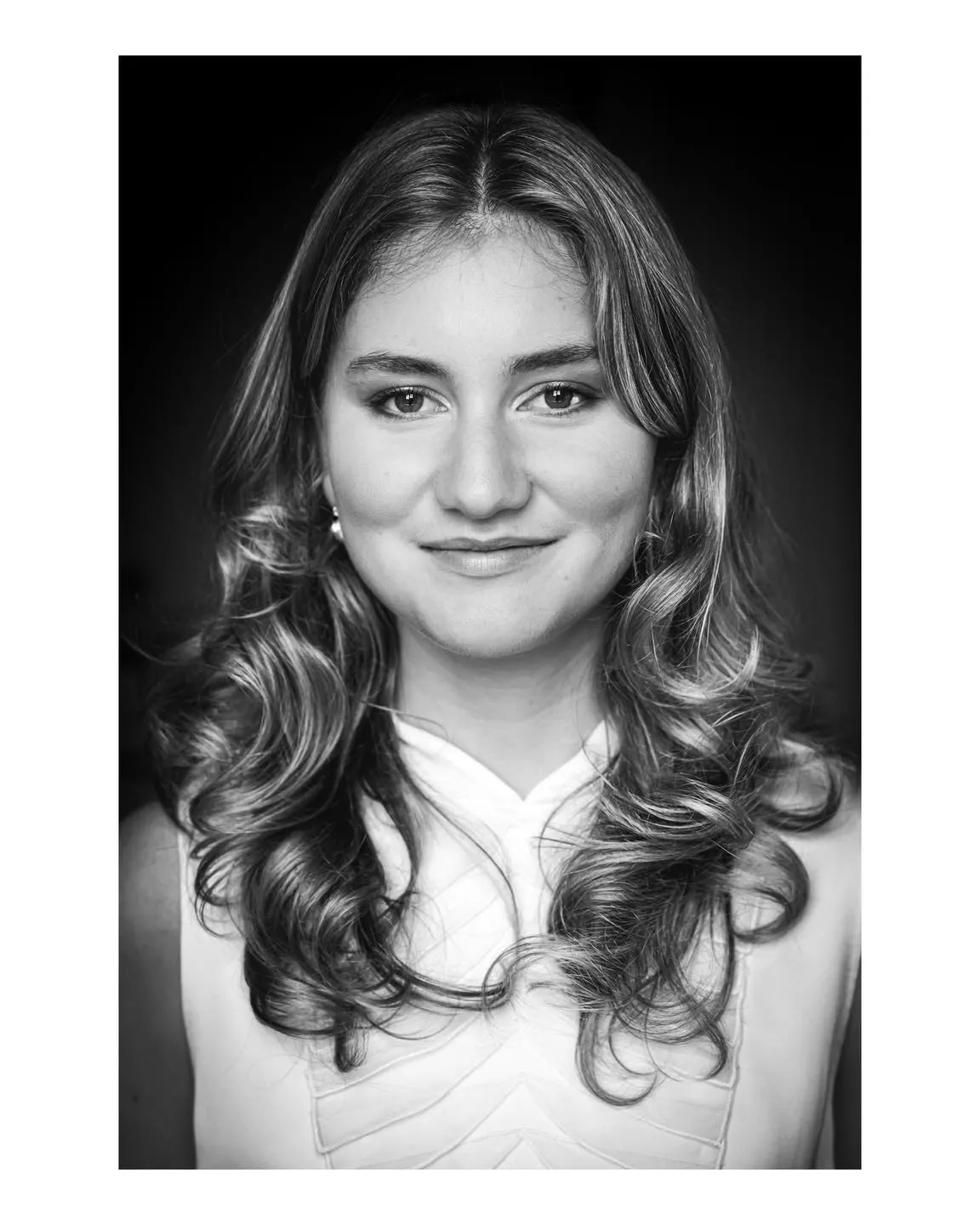
The video was not the only gesture marking the occasion. The Belgian Royal Palace also released a new black-and-white portrait of the princess, photographed by Bas Bogaerts.
The image presented Elisabeth with a warm, confident expression, its monochromatic treatment giving the photograph a timeless quality. In contrast to elaborate royal portraits featuring formal gowns, jewellery and grand interiors, the photograph relied on simplicity and the subject’s natural presence.
The Palace accompanied the portrait with a celebratory message highlighting the coincidence of the princess turning 25 on the 25th of October.
The choice of a black-and-white photograph was particularly fitting for a milestone that carries both personal and constitutional significance. It offered a contemporary image of a young woman whose future responsibilities are rooted in centuries of royal tradition.
For royal portraiture, such images perform a delicate balancing act. They must communicate the dignity associated with a royal position while allowing the individual behind the title to remain visible. In Elisabeth’s case, the portrait captured this balance through a restrained and approachable aesthetic.
A Commemorative Tribute from Belgium
The celebrations extended beyond the Royal Palace’s social media channels. Belgium’s national postal service, Bpost, introduced a special commemorative stamp sheet featuring the new portrait, while the Royal Mint of Belgium issued a commemorative coin to mark the princess’s 25th birthday.
The stamp sheet, which became available on 26 October, represents another chapter in the relationship between the Belgian monarchy and the country’s philatelic traditions. Members of royal families have long appeared on stamps, creating lasting records of significant occasions and milestones.
For Elisabeth, the release carried particular symbolism. Although she had previously appeared on Belgian stamps, including one marking her eighteenth birthday in 2019, the new issue was notable as the first special self-adhesive stamp dedicated to an individual member of the Belgian Royal Family.
The design incorporated the portrait by Bas Bogaerts, with subtle gold accents introduced by Bpost designer Myriam Voz.
The commemorative coin provided a complementary tribute, recognising the princess’s place in the country’s constitutional future. Together, the two releases transformed a personal birthday into a national occasion, allowing collectors and members of the public to preserve a tangible reminder of the milestone.
An Education Shaped by International Experience
While the birthday celebrations offered a moment of reflection, 2026 has also been an important year in Elisabeth’s academic journey.
In May, the princess graduated from Harvard University’s Kennedy School after completing a two-year master’s degree in public policy. Her parents, King Philippe and Queen Mathilde, travelled to Boston to attend the ceremony, celebrating their daughter’s achievement.
The qualification marked another stage in an education that has taken Elisabeth across several distinguished institutions.
After attending St John Berchmans College in Brussels, she studied at UWC Atlantic College in Wales, an international school known for its diverse student community. She subsequently pursued a degree in History and Politics at the University of Oxford’s Lincoln College, graduating with an upper second-class honours degree.
Her academic experience reflects a deliberate preparation for a future role that will require an understanding of government, international relations, history and the responsibilities of constitutional leadership.
In addition to her university studies, Elisabeth has undertaken military training at Belgium’s Royal Military Academy, gaining experience in an environment that emphasises discipline, teamwork and public service.
These experiences contribute to a broader picture of a future queen whose preparation extends beyond ceremonial duties, encompassing academic development and practical engagement with the institutions of her country.
The Future Queen of Belgium
Born on 25 October 2001, Princess Elisabeth became Duchess of Brabant, the traditional title held by the Belgian heir apparent, in 2013 following the accession of her father, King Philippe.
Belgium’s succession laws allow the eldest child to inherit the throne regardless of gender. As a result, Elisabeth is expected to become the country’s first reigning queen when she eventually succeeds her father.
Her future position carries historical significance, but it also reflects the changing expectations placed on modern constitutional monarchies. Today’s royal heirs are increasingly expected to combine an understanding of tradition with international awareness, education and an ability to communicate with a broad public.
Elisabeth’s years of study abroad have exposed her to different perspectives and academic environments, while her public appearances have introduced her gradually to the responsibilities associated with her position.
Nevertheless, the transition from heir apparent to monarch remains a future prospect. For now, her role continues to involve education, preparation and participation in selected royal engagements.
Her 25th birthday therefore represented an opportunity to acknowledge both the personal milestone and the wider significance of the path ahead.
A Modern Royal Approach
What distinguished Elisabeth’s birthday was the contrast between the historic importance of the occasion and the simplicity of the message she chose to share.
There were commemorative objects, an official portrait and a public announcement, all reflecting the traditions of the Belgian monarchy. Yet at the centre of the celebrations was a short video in which the princess expressed gratitude to those who had remembered her birthday.
This approach reflects a broader evolution in royal communication. Social media has created opportunities for royal households to present a more immediate and personal image, allowing the public to connect with members of royal families beyond formal ceremonies and official photographs.
For a future monarch, such communication can help establish a relationship with the public that is built not only on constitutional duty but also on recognition, accessibility and mutual respect.
Elisabeth’s message did not attempt to make grand statements about her future. Instead, it focused on a simple human gesture: acknowledging the kindness of others.
Looking Ahead
As Princess Elisabeth enters her twenty-sixth year, she does so with a substantial academic background, international experience and a growing public profile. Her future as Belgium’s first reigning queen remains one of the most significant prospects in the country’s royal history.
Yet the birthday celebrations demonstrated that her story is not defined solely by the crown she may one day inherit. It is also shaped by the experiences, relationships and personal milestones that accompany her journey.
The new portrait, commemorative stamp and coin will preserve the occasion in official form. The video message, meanwhile, offered something more immediate: a glimpse of a young woman acknowledging the people who had taken the time to think of her.
For Belgium’s future queen, turning 25 was both a personal celebration and a moment of quiet reflection on the responsibilities that lie ahead. In choosing gratitude over grandeur, Princess Elisabeth offered a contemporary expression of royal life, one in which tradition and individuality can exist comfortably side by side.