Inside the Mayfair Institution That Has Defined London’s Dining Scene for Generations
By Alexandra Whitmore | Tatler UK
There are restaurants that serve dinner, and then there are restaurants that become part of a city’s collective memory. Langan’s Brasserie belongs firmly to the latter category. Set in the heart of Mayfair, this celebrated London institution has witnessed decades of changing fashions, celebrated personalities, discreet encounters and extravagant evenings, all while maintaining its distinctive place in the capital’s social landscape.
Since opening in 1976, Langan’s has cultivated a reputation that extends well beyond its menu. It has become synonymous with a particular vision of London life: confident, cosmopolitan, occasionally mischievous and always conscious of the pleasures of good food and good company. Its dining rooms have welcomed generations of actors, artists, politicians, business leaders and society figures, creating an atmosphere in which an ordinary lunch can become a memorable occasion.
In a city where restaurants frequently reinvent themselves in pursuit of relevance, Langan’s possesses something far more difficult to manufacture: history.
A Mayfair Institution Is Born
Langan’s Brasserie was founded by restaurateur Peter Langan and actor Michael Caine, whose partnership brought together two very different perspectives on hospitality and entertainment. The restaurant opened at a time when London was experiencing a lively cultural transformation, with its restaurants, theatres, galleries and private clubs providing meeting places for a changing generation of creative and influential figures.
Peter Langan was known for his larger-than-life personality, while Caine brought the perspective of someone intimately familiar with the worlds of film, celebrity and international society. Together, they established a restaurant that was intended to feel different from the more restrained establishments traditionally associated with London’s formal dining scene.
The atmosphere was convivial, the clientele eclectic and the experience distinctly social. Langan’s was a place where people could enjoy a substantial meal, linger over conversation and encounter familiar faces without the rigid formality of an exclusive private club.
Its appeal was immediate. The restaurant became a meeting point for the city’s creative community and a destination for visitors seeking an authentic taste of London’s social life.
Where Celebrity Meets Society
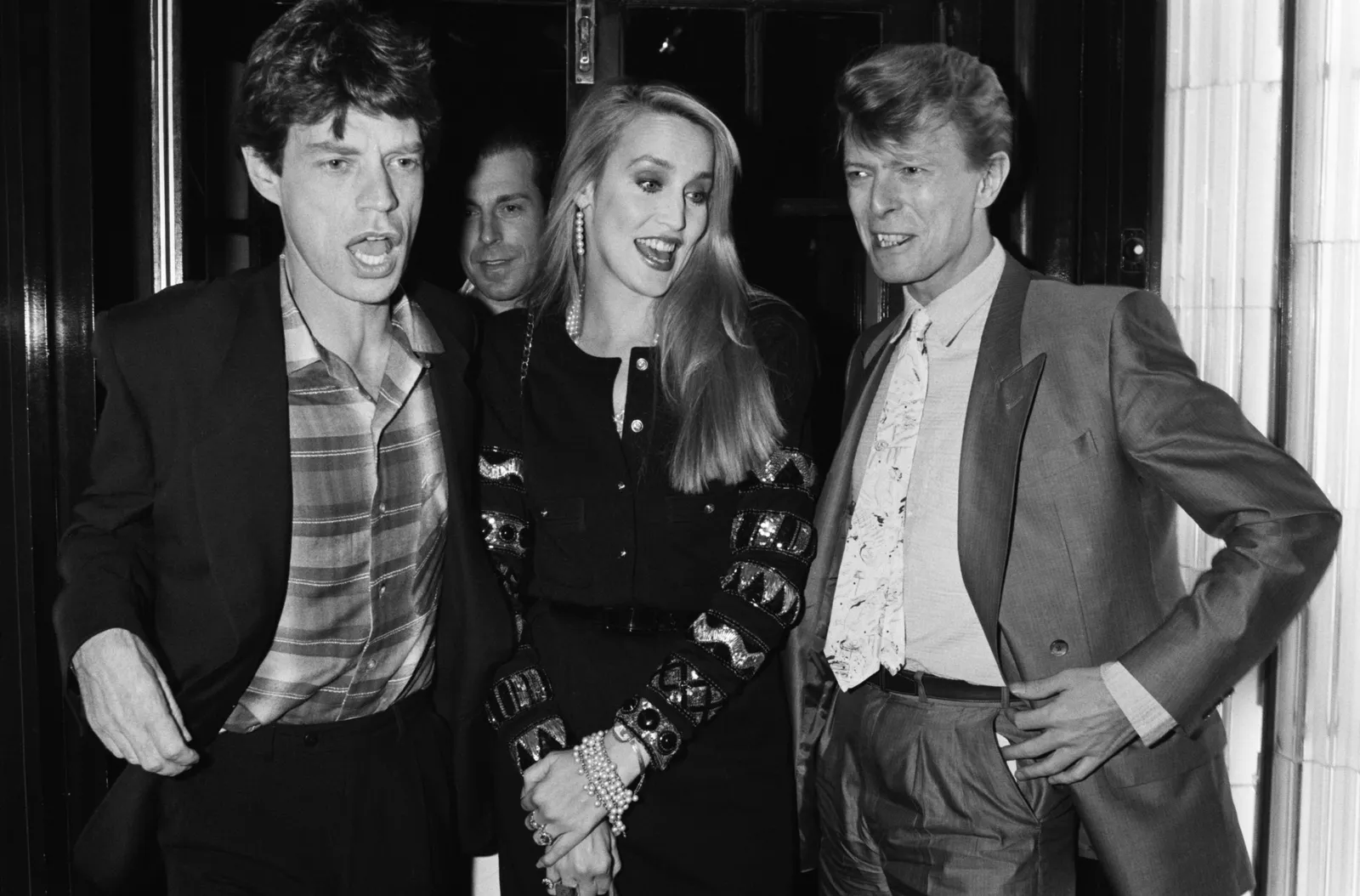
Over the years, Langan’s has developed a reputation as a gathering place for prominent figures from entertainment, fashion, business and the arts. Its clientele has reflected the changing character of British celebrity culture, bringing together established stars and emerging personalities in a setting that encourages conversation rather than spectacle.
Part of the restaurant’s enduring attraction lies in its ability to accommodate different kinds of occasions. A business lunch can unfold beside a celebratory family gathering, while an intimate dinner may take place within the same rooms that have hosted generations of notable guests.
This mixture gives Langan’s a distinctive social energy. Unlike venues designed exclusively around celebrity appearances or fashionable interiors, it has retained an identity grounded in the rituals of dining itself.
The restaurant’s reputation has also benefited from London’s particular relationship with discretion. In a city where public figures often move between highly visible professional lives and carefully guarded private moments, a well-established restaurant can provide a familiar setting in which to reconnect with friends, conduct business or simply enjoy an evening away from the spotlight.
Langan’s has become part of that tradition, its name carrying associations with the kind of London dining experience that cannot be recreated simply through fashionable design or an ambitious menu.
The Interior: Character Over Perfection
Walking into Langan’s is to encounter an environment shaped by personality rather than minimalism. Its interiors evoke the traditional European brasserie, with rich colours, mirrors, artwork and closely arranged tables creating an atmosphere that feels lively and layered.
There is a certain pleasure in restaurants that do not appear to have been designed exclusively for photographs. At Langan’s, the appeal comes from the impression that the rooms have been inhabited, enjoyed and remembered.
The visual character of the establishment contributes to its sense of continuity. Rather than relying on a completely neutral aesthetic, the restaurant embraces decorative richness and a slightly theatrical quality that suits its Mayfair surroundings.
This atmosphere reflects a broader truth about successful hospitality. People return not only for food but also for the feeling a place creates. A familiar room, a favourite table or the anticipation of seeing someone unexpected can become as important to the experience as the meal itself.
At Langan’s, these details contribute to a sense of belonging that extends across generations of diners.
A Menu Rooted in Brasserie Tradition
The restaurant’s culinary identity draws on the traditions of the classic European brasserie, where generous portions, recognisable dishes and an emphasis on convivial dining take precedence over unnecessary complication.
French-inspired cooking has long been central to the brasserie tradition, with its combination of comforting classics, seasonal ingredients and dishes suited to leisurely lunches as well as elegant evening meals.
The appeal of this approach lies in its accessibility. A brasserie should feel welcoming without sacrificing quality, offering food that is satisfying, familiar and appropriate to the occasion.
At Langan’s, the dining experience forms part of a wider social ritual. Guests may arrive for a working lunch, settle in for an extended dinner or meet friends for an evening that develops according to the conversation.
This flexibility has helped sustain the brasserie format across changing dining trends. While contemporary restaurants frequently emphasise tasting menus, experimental techniques or elaborate presentations, the traditional brasserie continues to offer something refreshingly straightforward: the pleasure of eating well in good company.
Reinvention Without Losing Its Identity
Maintaining relevance over several decades requires more than nostalgia. Restaurants must respond to changing tastes, evolving expectations and the practical realities of operating in one of the world’s most competitive hospitality markets.
Langan’s has experienced its share of change, including periods of uncertainty surrounding its future. Its reopening under new ownership in 2021 marked an important chapter in its modern history, bringing renewed attention to the restaurant while preserving its established identity.
The challenge for any historic restaurant is to recognise which elements of its character deserve protection and which aspects must evolve. Too much change can diminish the familiarity that loyal customers value, while too little can leave an establishment disconnected from contemporary expectations.
For Langan’s, its heritage remains a defining asset. The restaurant’s name, location and reputation provide a foundation on which a new generation of diners can discover the experience for themselves.
Its continued presence also reflects the resilience of London’s hospitality scene, where establishments with genuine character can remain relevant even as neighbourhoods, fashions and consumer preferences change around them.
The Importance of Being in Mayfair
Location has played a significant role in Langan’s story. Mayfair has long been associated with luxury hotels, private members’ clubs, art galleries, high-end shopping and some of London’s most established restaurants.
The neighbourhood attracts an international clientele, combining the traditions of British high society with the commercial and cultural networks of a global city.
Within this setting, Langan’s occupies a distinctive position. It offers a recognisable dining experience without requiring the atmosphere of a formal club or an elaborate special occasion. Its brasserie identity allows it to move comfortably between the worlds of business, entertainment and leisure.
For visitors, the restaurant provides an opportunity to experience a particular version of London hospitality. For regulars, it can function as a familiar point of reference within a city that is constantly changing.
This balance between international appeal and local identity is one of the qualities that has helped establish Langan’s as a lasting part of Mayfair’s dining landscape.
More Than a Restaurant
Ultimately, Langan’s Brasserie represents something larger than its menu or its celebrated address. It illustrates how a restaurant can become woven into the cultural life of a city through repeated encounters, personal memories and the simple act of bringing people together.
Its history intersects with the evolution of modern London, from the creative energy of the late twentieth century to the increasingly international and image-conscious hospitality scene of today.
The people who have passed through its doors may have changed, and the city beyond its windows has certainly transformed, but the essential appeal of the brasserie remains recognisable. It is a place to eat, talk, celebrate and participate in the social life of the capital.
There is a reason certain restaurants continue to attract attention long after the novelty of their opening has passed. Their value lies not merely in what they serve, but in the atmosphere they create and the memories they accumulate.
Langan’s has seen generations of London life unfold around its tables. Its story is one of personality, resilience and the enduring importance of hospitality in a city that thrives on connection.
In the end, perhaps that is the secret to its longevity. London may constantly reinvent itself, but there will always be a place for a brasserie that understands the pleasure of a good meal, an animated conversation and an evening that lasts just a little longer than planned.